Entry · Ref ZOX6XJXG
How an NSFW AI Image Generator Is Changing Adult Anime Art
- Posted
- 2026-10-27
- Last amended
- 2026-10-27
- Account
- @nsfwaiimagegeneratorhub
From niche hobby to mainstream tool
When I first started exploring AI-generated art a few years ago, the tools available were clunky and limited. You could type in a prompt and get something vaguely resembling what you asked for, but the results were often blurry, misproportioned, or just plain weird. For those of us interested in adult-oriented anime imagery, the options were even worse. Most mainstream image generators refused to produce anything remotely NSFW, and the few that did often delivered low-quality output that looked nothing like the hand-drawn art we admired on Pixiv or Danbooru.
That has changed dramatically. Today, an NSFW AI Image Generator can produce high-resolution, stylistically consistent adult anime images that rival the work of human artists. The technology behind these tools has matured rapidly, and the community around them has grown into a vibrant ecosystem of creators, model trainers, and hobbyists. If you have not looked at this space recently, you might be surprised at what is now possible.
What makes these generators different
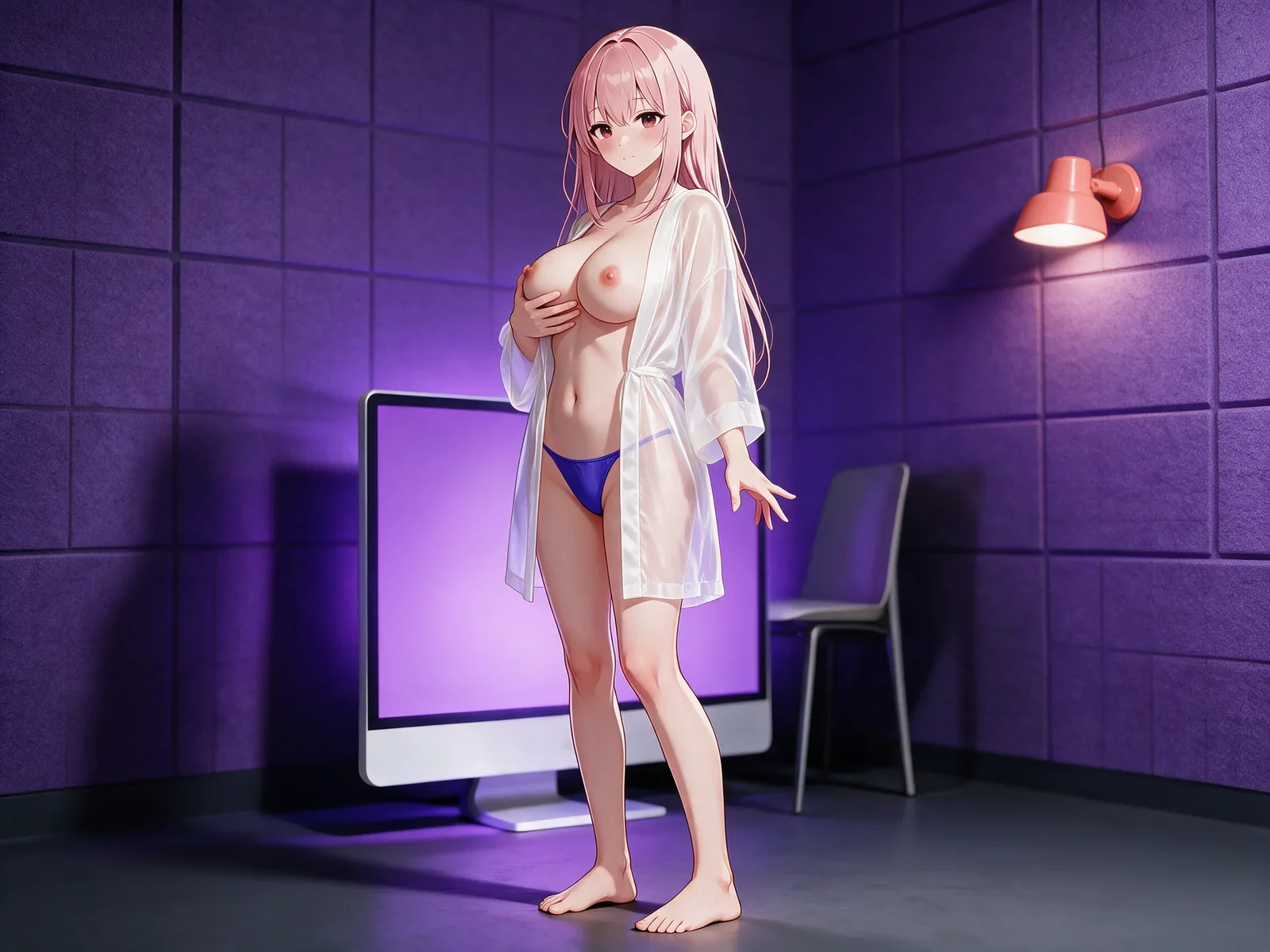
Standard image generation models like Midjourney or Leonardo AI are trained on massive datasets of general images. They can produce photorealistic landscapes, portraits, and abstract art, but they struggle with the specific conventions of anime: the large eyes, the exaggerated expressions, the particular linework and coloring styles. Moreover, their strict content filters prevent any adult content at all, even consensual and artistic depictions. An NSFW AI Image Generator, by contrast, is built on models fine-tuned specifically on anime and hentai datasets, often sourced from sites like e621 and Danbooru. These models understand the visual language of adult anime art and can generate content that is both explicit and aesthetically coherent.
One of the most popular platforms for this kind of work is NovelAI, which started as a text-generation service but later added an image generation module trained on a large corpus of anime images. NovelAI allows users to generate uncensored adult anime art with a high degree of control over character appearance and scene composition. Another major player is Stable Diffusion, which, thanks to its open-source nature, has been fine-tuned by the community into countless specialized models. Civitai and Tensor.Art are two hubs where creators share these fine-tuned models, often tailored to specific artists, styles, or fetishes.
The tools and workflows behind the scenes
Creating high-quality NSFW anime images is not just a matter of typing a prompt and hitting generate. Most serious users rely on a suite of tools to refine their results. Automatic1111 is one of the most popular web interfaces for Stable Diffusion, offering a rich set of features for prompt engineering, inpainting, and upscaling. ComfyUI takes a more modular, node-based approach, giving advanced users the ability to chain together custom workflows for complex tasks like pose control and background generation. Blender is sometimes used in conjunction with these tools to create 3D reference models that guide the AI toward a specific pose or perspective.
The quality of the output depends heavily on the model and the dataset it was trained on. Waifu Labs, for example, is a specialized tool for generating anime faces, but it focuses on safe-for-work content. For NSFW work, many users turn to models trained on the e621 dataset, which contains millions of labeled adult furry and anime images. These models can generate highly specific content, but they also require careful prompting to avoid anatomical errors or visual artifacts. The best results often come from iterating: generating multiple variations, selecting the best one, then inpainting the hands or faces that the AI got wrong.
Character design and customization
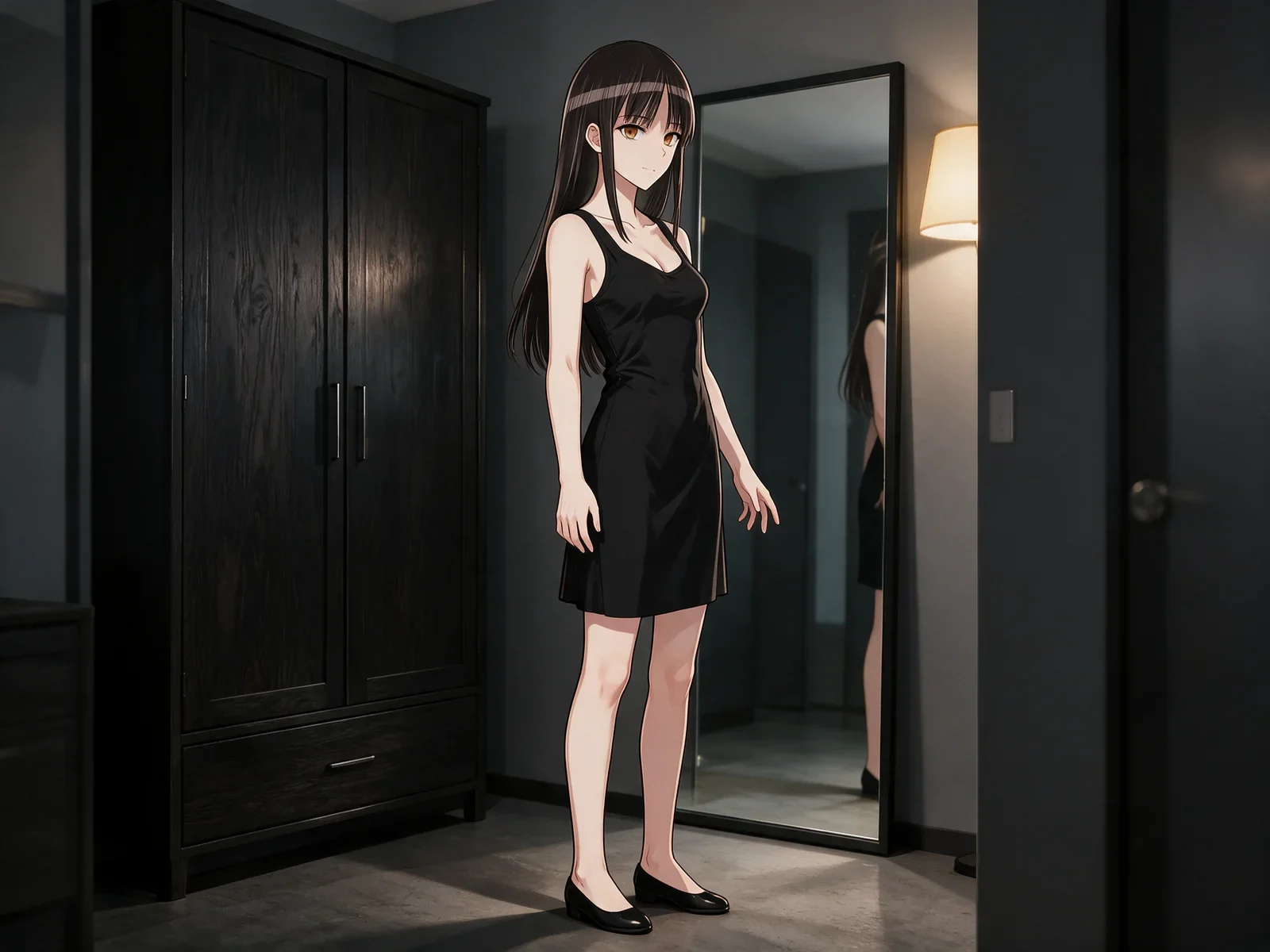
One of the most compelling features of modern NSFW AI image generators is the ability to design and save custom characters. Instead of generating a random person each time, you can define a character's appearance - hair color, eye shape, body type, clothing style - and then generate new scenes featuring that same character. This opens up possibilities that are difficult to achieve with traditional art unless you have a dedicated artist. Tools like Character.AI and Crypko have experimented with character consistency, though Crypko is more focused on safe-for-work avatar generation. For adult content, most users rely on Stable Diffusion models with embeddings or LoRAs that encode a specific character's visual identity.
I have personally spent hours tweaking a character's design in an NSFW AI Image Generator, adjusting the hue of their hair, the shape of their eyes, and the fit of their clothes. The process feels surprisingly similar to character creation in games like VRChat, where you can customize an avatar down to the smallest detail. But here, the result is a static image or a short video clip, not a moving avatar. The level of control is impressive, though it comes with a learning curve. You need to understand how prompts interact with the model, how to use negative prompts to avoid unwanted elements, and how to adjust sampler settings and CFG scale to get the desired sharpness and style.
Ethical considerations and community norms
Any discussion of NSFW AI image generation would be incomplete without addressing the ethical questions. The datasets used to train these models often include art uploaded to sites like Pixiv, Danbooru, and e621 without the explicit consent of the original artists. This has led to ongoing debates about copyright, artistic ownership, and the right to opt out. Some platforms, like Civitai, allow artists to flag their work and request removal from training sets, but enforcement is inconsistent. Many creators in the Hololive community have expressed discomfort with their characters being used in explicit AI-generated content without permission.
On the other hand, there is a growing movement among adult anime artists who see AI as a tool rather than a threat. Some use generators to quickly prototype ideas before committing to a full hand-drawn piece. Others train custom models on their own art to create variations and explore new directions. Niji Journey, a variant of Midjourney focused on anime styles, has community guidelines that prohibit explicit content, but some users have found ways to push the boundaries. Anime Style Transfer techniques allow you to apply the visual style of a particular artist to your own generated images, which can be a powerful way to learn and experiment, but also raises questions about style mimicry.
Practical tips for getting started
If you are curious about trying an NSFW AI Image Generator for yourself, start by familiarizing yourself with the basics of prompt engineering. Read guides on sites like Civitai and Tensor.Art, and look at the prompts other users have shared for their best images. A good prompt for adult anime art typically includes a description of the character (hair, eyes, body, clothing), the action or pose, the setting, and the desired style (e.g., "by [artist name]", "anime screencap", "vintage hentai"). Use negative prompts to avoid common issues like extra limbs, distorted faces, or watermarks.
Experiment with different models. Some are better for realistic anatomy, others for exaggerated proportions. Artbreeder, though not specifically for anime, can be used to blend facial features and generate unique character designs. For pure anime style, Look for models trained on the Danbooru dataset. And do not expect perfection on the first try. The best results come from iteration and patience.
The road ahead
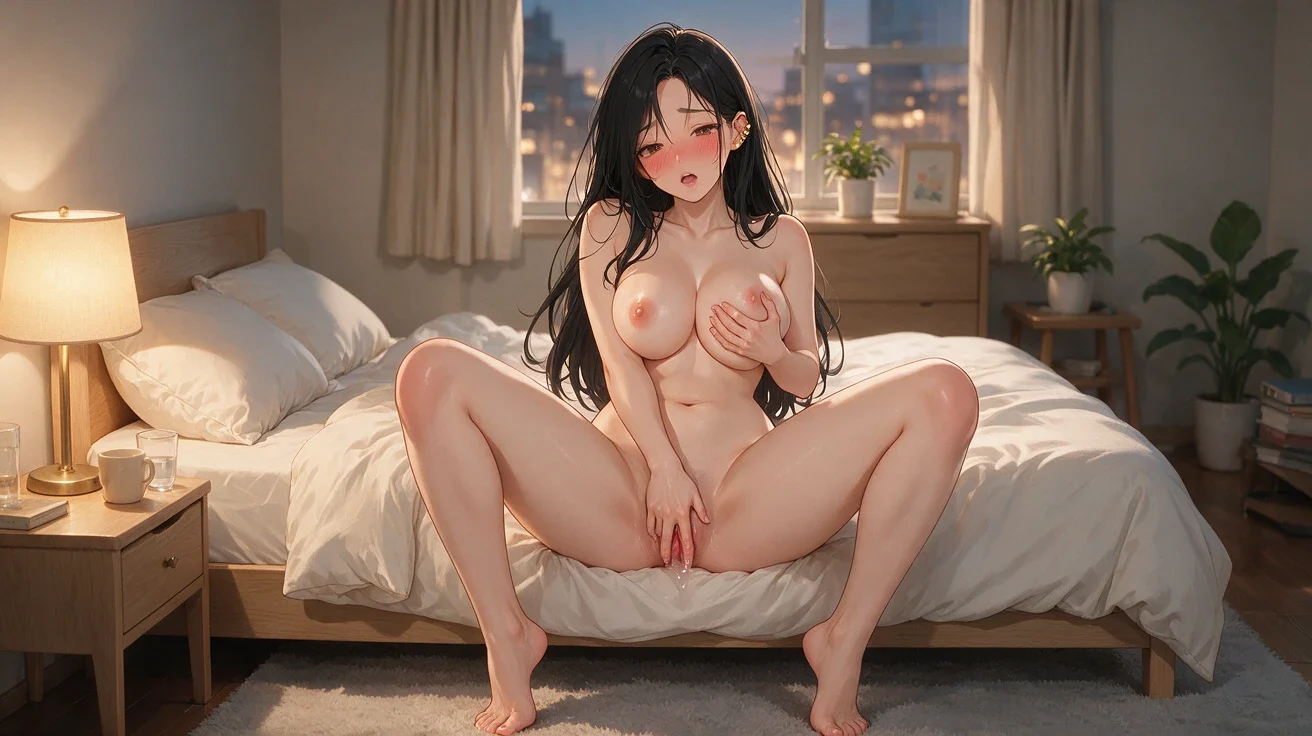
The field of AI-generated adult anime art is evolving fast. As models improve, the line between AI-generated and hand-drawn art will continue to blur. We are already seeing AI-generated images that pass for professional work on sites like Pixiv, and some artists have begun incorporating AI into their workflow as a productivity tool. The NSFW AI Image Generator is no longer a gimmick; it is a legitimate creative tool with a growing user base and a thriving ecosystem of models, tutorials, and community resources. Whether you are an artist looking to expand your toolkit, a writer needing illustrations for a story, or just someone curious about the technology, there has never been a better time to dive in.